
 Image 1 of 2
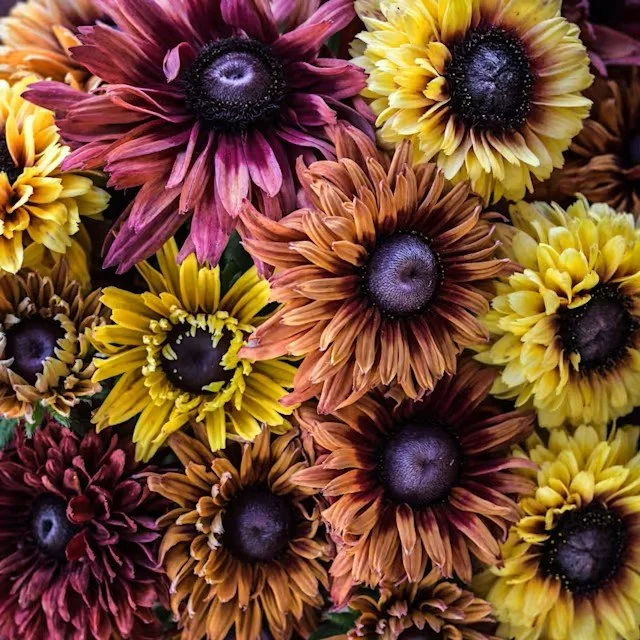 Image 2 of 2
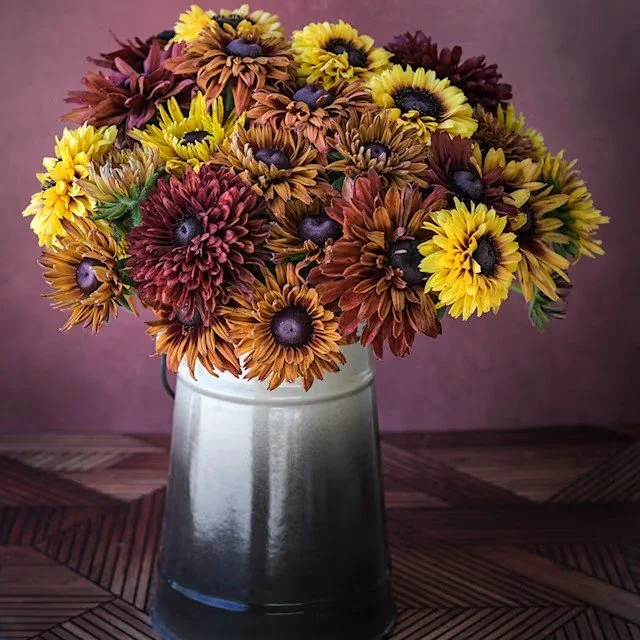
Rudbeckia 'Sahara' (Rudbeckia hirta) is a stunning and sophisticated take on the traditional Black-Eyed Susan, offering a vintage, "antique" color palette. This award-winning variety produces large, semi-double to fully double blooms in muted shades of copper, tawny gold, burnt rose, and caramel. Its unique earthy tones and multi-petaled form make it a favorite for gardeners seeking a romantic, rustic aesthetic that differs from the standard bright yellow varieties.
Mature size: 18 to 22 inches in height; 12 to 15 inches in spread.
Flower: Large, 3 to 4-inch double or semi-double blooms in shades of terracotta, rose, and warm gold with dark chocolate centers.
Foliage: Rough, bristly, forest-green leaves with an ovate shape.
Hardiness: Short-lived perennial often grown as a hardy annual; USDA zones 5–9.
Full Sun is required for 'Sahara' to produce strong stems and its signature deep, multi-tonal colors. While it can handle very light afternoon shade, too much shade will reduce flower production and may lead to powdery mildew.
Requires moderate watering. Once established, it is relatively drought-tolerant, but it performs best when the soil is kept consistently moist during the peak of summer heat. Avoid overhead irrigation to keep the foliage and dense flower heads dry.
Thrives in average to fertile, well-drained soil. It is adaptable to various soil types, including clay, provided the drainage is sufficient to prevent the roots from sitting in water during the winter months.
Apply a balanced, slow-release fertilizer in early spring or at the time of planting. A mid-summer boost with a liquid phosphorus-rich fertilizer can help maintain the bloom quality through the autumn.
Deadheading is essential to keep the plant blooming and to maintain a tidy appearance. In late autumn, the plants can be cut back to the ground. If you wish for the plant to self-seed, leave a few spent flower heads on the stalks at the end of the season.
The unique "desert" hues of 'Sahara' make it an exceptional choice for autumn-themed borders and cottage gardens. It is a premier cut flower, possessing long, sturdy stems and a vase life of up to 10 days. Design-wise, it pairs beautifully with ornamental grasses, bronze-leafed plants, or deep purple perennials like Salvia or Aster.
Rudbeckia 'Sahara' is a must-have for those who appreciate the rugged reliability of a Black-Eyed Susan but desire a more refined, sophisticated color story. Its high petal count and moody, sunset-toned blooms provide an elevated look to both the garden bed and the floral bouquet.
NOTE: Available for pickup after 5/15
Rudbeckia 'Sahara' (Rudbeckia hirta) is a stunning and sophisticated take on the traditional Black-Eyed Susan, offering a vintage, "antique" color palette. This award-winning variety produces large, semi-double to fully double blooms in muted shades of copper, tawny gold, burnt rose, and caramel. Its unique earthy tones and multi-petaled form make it a favorite for gardeners seeking a romantic, rustic aesthetic that differs from the standard bright yellow varieties.
Mature size: 18 to 22 inches in height; 12 to 15 inches in spread.
Flower: Large, 3 to 4-inch double or semi-double blooms in shades of terracotta, rose, and warm gold with dark chocolate centers.
Foliage: Rough, bristly, forest-green leaves with an ovate shape.
Hardiness: Short-lived perennial often grown as a hardy annual; USDA zones 5–9.
Full Sun is required for 'Sahara' to produce strong stems and its signature deep, multi-tonal colors. While it can handle very light afternoon shade, too much shade will reduce flower production and may lead to powdery mildew.
Requires moderate watering. Once established, it is relatively drought-tolerant, but it performs best when the soil is kept consistently moist during the peak of summer heat. Avoid overhead irrigation to keep the foliage and dense flower heads dry.
Thrives in average to fertile, well-drained soil. It is adaptable to various soil types, including clay, provided the drainage is sufficient to prevent the roots from sitting in water during the winter months.
Apply a balanced, slow-release fertilizer in early spring or at the time of planting. A mid-summer boost with a liquid phosphorus-rich fertilizer can help maintain the bloom quality through the autumn.
Deadheading is essential to keep the plant blooming and to maintain a tidy appearance. In late autumn, the plants can be cut back to the ground. If you wish for the plant to self-seed, leave a few spent flower heads on the stalks at the end of the season.
The unique "desert" hues of 'Sahara' make it an exceptional choice for autumn-themed borders and cottage gardens. It is a premier cut flower, possessing long, sturdy stems and a vase life of up to 10 days. Design-wise, it pairs beautifully with ornamental grasses, bronze-leafed plants, or deep purple perennials like Salvia or Aster.
Rudbeckia 'Sahara' is a must-have for those who appreciate the rugged reliability of a Black-Eyed Susan but desire a more refined, sophisticated color story. Its high petal count and moody, sunset-toned blooms provide an elevated look to both the garden bed and the floral bouquet.
NOTE: Available for pickup after 5/15