
 Image 1 of 2
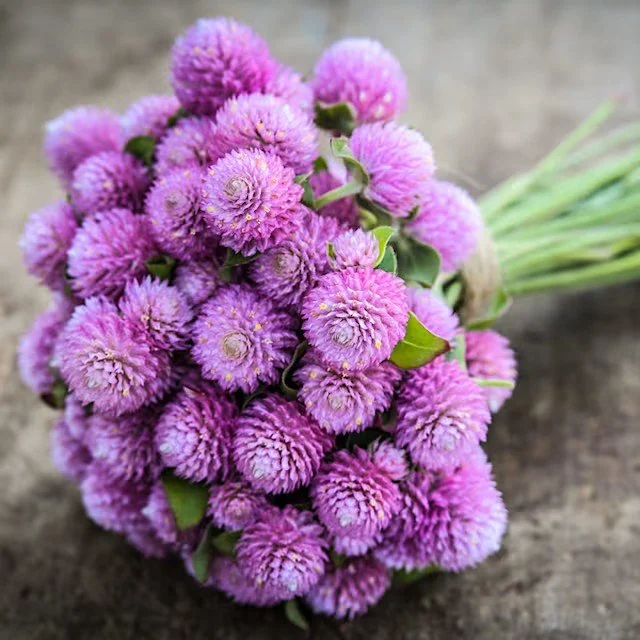 Image 2 of 2
Salmon Pastel Gomphrena (Gomphrena globosa ‘Salmon Pastel’)
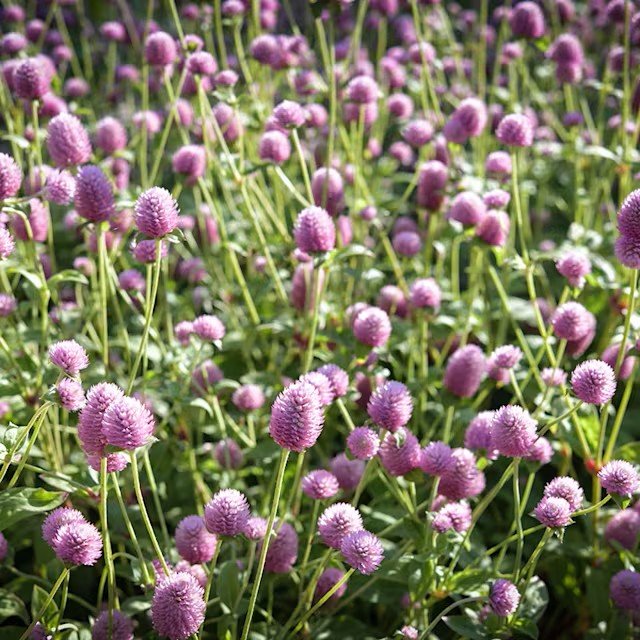
A charming, compact globe amaranth, Salmon Pastel gomphrena produces abundant round flower heads in soft, warm salmon-pink tones with subtle apricot and cream highlights. The blooms are papery and long-lasting both on the plant and when dried, making this variety excellent for cut arrangements, dried bouquets, and pollinator-friendly garden beds. Plants form tidy mounds of medium-green, slightly fuzzy foliage and reach a compact height ideal for edging, containers, and mixed annual borders.
Key characteristics
Flower color: soft salmon-pink with apricot and cream undertones; color may deepen slightly with heat or intense sun.
Bloom form: tight, globe-shaped, papery bracts around a small central flower cluster.
Bloom time: long flowering season from late spring/early summer through first frost in warm climates.
Size: typically 8–14 inches tall and 8–12 inches wide, depending on growing conditions.
Foliage: medium-green, slightly hairy leaves that are drought-tolerant once established.
Growth habit: compact, mounding; well-suited to borders, mass plantings, containers, and cottage-style beds.
Wildlife value: attractive to bees and other pollinators; flowers retain shape and color when dried.
Growing tips
Light: Plant in full sun for best flowering and color intensity (at least 6–8 hours of direct sun per day). Tolerates light afternoon shade in very hot climates, but blooms may be reduced.
Soil: Prefers well-draining soil with moderate fertility. Avoid heavy, poorly drained soils. A neutral to slightly acidic pH (6.0–7.0) is ideal.
Water: Water regularly to establish seedlings; once established, gomphrena is moderately drought-tolerant. Allow the top inch of soil to dry between waterings. Overwatering can reduce vigor and increase disease risk.
Temperature: Warm-season annual that thrives in heat and humidity. Sensitive to frost—plant after the last spring frost and expect flowering until first autumn frost.
Fertilizer: Use a balanced, low-to-moderate fertility fertilizer at planting and as needed during the season. Excessive nitrogen can promote foliage at the expense of blooms.
Spacing: Space plants 8–12 inches apart to allow air circulation and maintain a compact habit.
Maintenance: Deadhead spent blooms to encourage continuous flowering, although many gardeners leave some flowers for natural seed and for drying. Pinching young stems can produce bushier plants.
Pests and diseases: Generally low-maintenance and disease-resistant. Watch for aphids, whiteflies, or spider mites in stressed plants; treat with insecticidal soap or appropriate controls. Ensure good air circulation to prevent fungal issues in humid or poorly ventilated areas.
Uses: Excellent for edging, containers, rock gardens, mixed annual beds, and dried arrangements. Pairs well with salvias, zinnias, ornamental grasses, and other heat-tolerant annuals.
Planting and care timeline
Summer: Provide regular water until established; deadhead as needed for continuous blooms.
Fall: Continue to enjoy blooms until frost; collect flower heads for drying before heavy frost if desired.
Salmon Pastel gomphrena offers long-lasting, soft-hued blooms with low-maintenance care—an attractive choice for gardeners who want dependable color, pollinator value, and pretty dried flowers.
Salmon Pastel Gomphrena (Gomphrena globosa ‘Salmon Pastel’)
A charming, compact globe amaranth, Salmon Pastel gomphrena produces abundant round flower heads in soft, warm salmon-pink tones with subtle apricot and cream highlights. The blooms are papery and long-lasting both on the plant and when dried, making this variety excellent for cut arrangements, dried bouquets, and pollinator-friendly garden beds. Plants form tidy mounds of medium-green, slightly fuzzy foliage and reach a compact height ideal for edging, containers, and mixed annual borders.
Key characteristics
Flower color: soft salmon-pink with apricot and cream undertones; color may deepen slightly with heat or intense sun.
Bloom form: tight, globe-shaped, papery bracts around a small central flower cluster.
Bloom time: long flowering season from late spring/early summer through first frost in warm climates.
Size: typically 8–14 inches tall and 8–12 inches wide, depending on growing conditions.
Foliage: medium-green, slightly hairy leaves that are drought-tolerant once established.
Growth habit: compact, mounding; well-suited to borders, mass plantings, containers, and cottage-style beds.
Wildlife value: attractive to bees and other pollinators; flowers retain shape and color when dried.
Growing tips
Light: Plant in full sun for best flowering and color intensity (at least 6–8 hours of direct sun per day). Tolerates light afternoon shade in very hot climates, but blooms may be reduced.
Soil: Prefers well-draining soil with moderate fertility. Avoid heavy, poorly drained soils. A neutral to slightly acidic pH (6.0–7.0) is ideal.
Water: Water regularly to establish seedlings; once established, gomphrena is moderately drought-tolerant. Allow the top inch of soil to dry between waterings. Overwatering can reduce vigor and increase disease risk.
Temperature: Warm-season annual that thrives in heat and humidity. Sensitive to frost—plant after the last spring frost and expect flowering until first autumn frost.
Fertilizer: Use a balanced, low-to-moderate fertility fertilizer at planting and as needed during the season. Excessive nitrogen can promote foliage at the expense of blooms.
Spacing: Space plants 8–12 inches apart to allow air circulation and maintain a compact habit.
Maintenance: Deadhead spent blooms to encourage continuous flowering, although many gardeners leave some flowers for natural seed and for drying. Pinching young stems can produce bushier plants.
Pests and diseases: Generally low-maintenance and disease-resistant. Watch for aphids, whiteflies, or spider mites in stressed plants; treat with insecticidal soap or appropriate controls. Ensure good air circulation to prevent fungal issues in humid or poorly ventilated areas.
Uses: Excellent for edging, containers, rock gardens, mixed annual beds, and dried arrangements. Pairs well with salvias, zinnias, ornamental grasses, and other heat-tolerant annuals.
Planting and care timeline
Summer: Provide regular water until established; deadhead as needed for continuous blooms.
Fall: Continue to enjoy blooms until frost; collect flower heads for drying before heavy frost if desired.
Salmon Pastel gomphrena offers long-lasting, soft-hued blooms with low-maintenance care—an attractive choice for gardeners who want dependable color, pollinator value, and pretty dried flowers.